Skip to content
Choosing stand up pouch bags for international markets is not a simple matter of selecting attractive colors. Buyers must examine barrier performance, filling equipment, transport conditions, recycling options, and local labeling requirements.
The global flexible packaging market continues to expand. Smithers’ The Future of Flexible Packaging to 2028 estimates strong growth across food, beverage, personal care, and household applications. Grand View Research also reports sustained growth in the stand-up pouch market through 2030. However, published estimates differ because researchers use different product definitions and regional data. That difference deserves attention.
Robert Hogan, a former president of the Flexible Packaging Association, stated, “Flexible packaging protects products while using fewer resources.” His observation explains the pouch’s appeal, but it does not solve every packaging problem. A lighter package can still fail when its seal weakens during a humid ocean shipment. A recyclable-looking structure may also lack suitable collection systems in the buyer’s target market.
This guide offers ten practical tips for global buyers. It connects material selection with real purchasing decisions, such as whether a pouch holds oily snacks, powdered supplements, sauces, or pet food. We will consider zipper quality, spout design, oxygen and moisture barriers, seal strength, printing accuracy, and supplier documentation.
No checklist is perfect. I may overemphasize technical specifications if commercial realities are ignored. Buyers should test samples under actual filling, storage, and transport conditions. Reliable decisions come from verified data, supplier audits, and documented performance—not attractive samples alone.
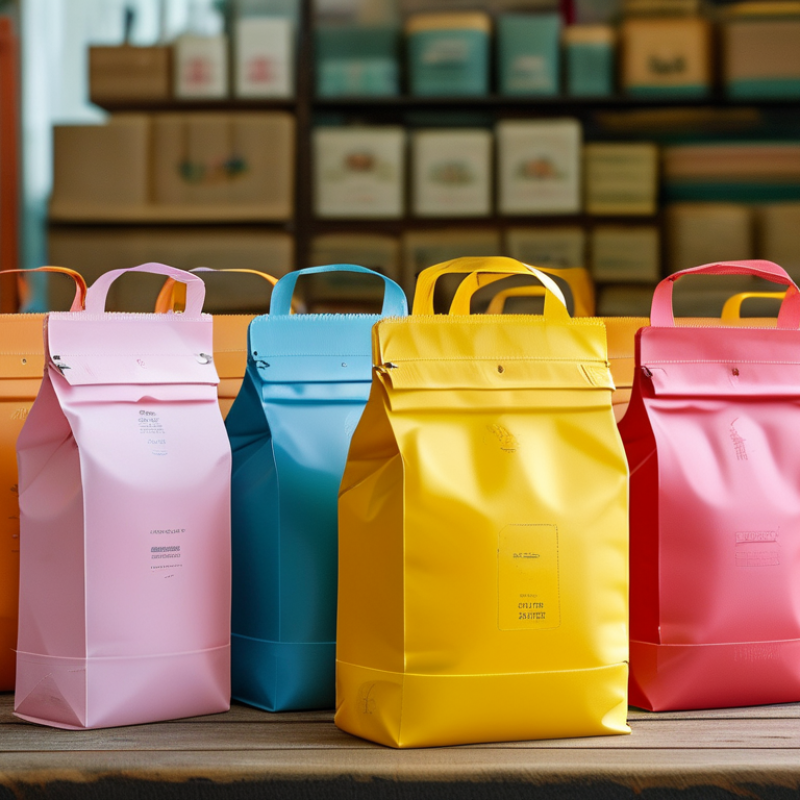
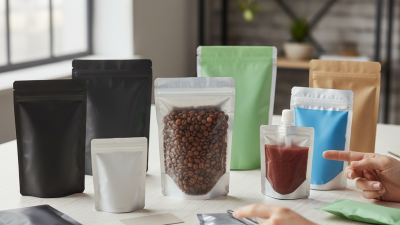
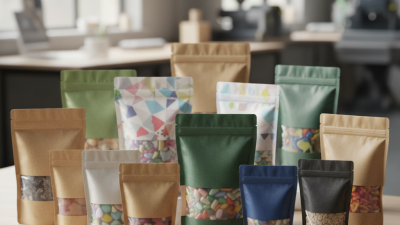
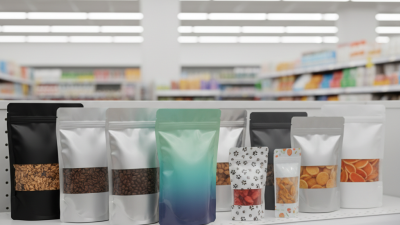
Stand-up pouches come in several practical formats. Doypack styles suit snacks, powders, and household products. Flat-bottom pouches offer stronger shelf stability and more display space. Side-gusset formats can hold larger volumes. Liquid products may need a spout, while dry products often need a zipper or tear notch.
Materials deserve equal attention. Common structures include polyethylene, polypropylene, polyester, aluminum foil, and paper-based laminates. Each combination affects barrier performance, stiffness, sealing, and recyclability.
Global buyers can use ten checks: format, filling volume, dimensions, material structure, moisture barrier, oxygen barrier, seal strength, closure type, print quality, and factory traceability.
Request samples before approving production. Fill them with the real product. Store some in heat and humidity, then inspect leaks, wrinkles, odor, and seal distortion. A pouch that looks excellent on a sample board may fail on a fast filling line. That lesson is easy to overlook.
Ask whether the pouch runs smoothly on your equipment. Confirm food-contact suitability when relevant, along with migration documents and quality records. Check measurement tolerance, color consistency, minimum order quantity, lead time, and shipping protection. For international purchasing, clarify labeling space and destination requirements early. Be careful with recycled content claims; documentation matters more than attractive wording. A perfect pouch does not exist. I still find that one overlooked detail, often the zipper, changes the whole buying decision.
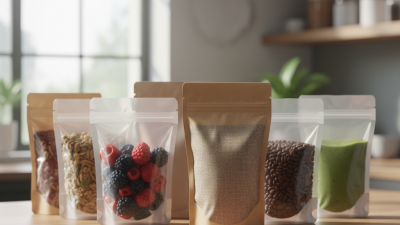
When choosing stand up pouch bags, barrier data should guide the structure, not just the product description. WVTR measures water vapor transmission, while OTR measures oxygen transmission. Lower values generally indicate stronger protection. However, numbers only matter when test conditions are comparable.
For moisture-sensitive powders, dried foods, or hygroscopic ingredients, review WVTR at the expected temperature and humidity. A pouch tested at 38°C and 90% relative humidity may perform differently in a cool, dry warehouse. Oxygen-sensitive contents require careful OTR review. ASTM D3985 is widely used to measure oxygen transmission through packaging films under controlled conditions. Ask for the test temperature, humidity, film thickness, and reporting units. Without those details, a low OTR figure can mislead.
Barrier performance also depends on seals, zippers, folds, and filling equipment. A high-barrier film cannot compensate for a weak seal. Check seal integrity after transport trials, not only before shipment. Test filled pouches with realistic handling, stacking, and temperature changes. Small errors matter. I have seen specifications look excellent until the pouch was creased near the seal.
Select the barrier level according to shelf-life targets, product sensitivity, and distribution climate. More barrier is not always better, because it may affect recyclability, cost, or pouch appearance. Request independent laboratory data when possible. Then compare it with internal trials. Data matters, but real handling exposes the gaps.
Choosing stand-up pouch bags requires more than matching a printed size. Smithers’ flexible packaging market report estimates global demand exceeded US$200 billion in 2023. That scale increases pressure on material efficiency and quality control. Ten practical checks matter: pouch height, gusset depth, usable volume, fill weight, product density, headspace, zipper position, spout placement, transport conditions, and sealing equipment. A 500-gram powder may need a wider pouch than 500 grams of snacks. Measure the product, not only the label.
Seal strength deserves special attention. ASTM F88 testing can verify seal force, while leak tests can reveal channels invisible to the eye. Heat-seal temperature, dwell time, pressure, film contamination, and jaw alignment all affect results. In factory trials, a pouch may look excellent yet fail after vibration or temperature cycling. That is an uncomfortable lesson. Do not trust appearance alone. Test filled samples at the intended production speed. Keep tolerances realistic; perfect laboratory results may not survive global shipping.
For medical applications, ISO 11607-1:2019 addresses materials, sterile barrier systems, and packaging performance. ISO 11607-2:2019 focuses on forming, sealing, and assembly process validation. These requirements often involve seal integrity, aging, distribution simulation, and microbial barrier evidence. ASTM F1929 or ASTM F2096 may support leak evaluation, depending on the package design. Mordor Intelligence projects continued stand-up pouch growth through 2029, but market forecasts cannot replace validation. Document fill weight, seal width, burst results, and lot traceability. ISO compliance is a process, not a logo.
A recyclable pouch is not automatically sustainable. Buyers should check its full structure, not only the front label. Mono-material polyethylene or polypropylene designs may simplify recycling, but local collection systems still decide the real outcome. Ask for written material specifications, recycling guidance, and test data for the destination market. Global acceptance varies widely.
PCR content can reduce demand for virgin plastic. However, recycled content may affect color, odor, seal strength, and barrier consistency. For food or sensitive products, request migration documentation and batch-level quality records. A supplier should explain the PCR source and percentage clearly. Vague claims deserve careful review. Small details matter.
Material reduction often begins with pouch dimensions. A tighter fit can lower film use, transport volume, and warehouse space. Thinner film is not always better. Excessive reduction may cause pinholes, weak seals, or poor shelf protection. Test filled pouches through stacking, drop, and compression trials. I would also compare product loss, not just material weight. That comparison can change the decision. A lightweight pouch that fails early may create more waste than a slightly heavier, durable option. Recheck the assumptions before approval.
Choosing stand up pouch bags for global markets requires more than comparing thickness and color.
I have learned that compliance documents should be checked before artwork approval. For food contact packaging, ask for a current FDA compliance statement where relevant. For European sales, confirm suitability under EU Regulation 10/2011 for plastic layers.
Multilayer structures may also require broader food-contact documentation and migration test reports. Do not accept a generic certificate. Request the material structure, test scope, batch reference, and intended food conditions.
MOQ can change the entire purchasing decision.
A low MOQ may increase the unit price, while a large order can create storage pressure. Ask whether the MOQ covers one size, one print design, or several variants.
Lead time should include sampling, cylinder or plate preparation, production, inspection, and shipping. In my experience, printed bags often take longer than expected. I sometimes underestimate approval delays. That mistake is avoidable.
Calculate cost per unit using the full shipment quantity, not only the factory quotation.
Include printing, zipper or spout options, cartons, testing, freight, duties, and possible inspection fees. Compare the same pouch specification each time: dimensions, film thickness, barrier level, closure type, and tolerance.
A cheaper pouch may use weaker seals or produce more waste on the filling line. Ask for production samples. Test them with your actual product, filling speed, storage temperature, and handling conditions. Small details matter.