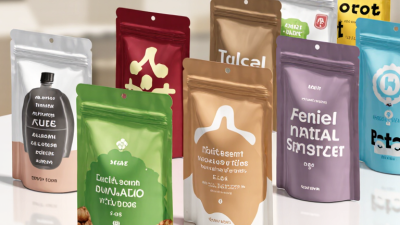
How to Choose Custom Stand Up Pouch Bags?

Choosing custom stand up pouch bags is not simply a matter of adding a logo. The pouch must protect the product, support filling, and perform on shelves. In real packaging projects, small details often create expensive problems. Fit matters. A pouch that stands poorly can tip during transport or display. A zipper that feels weak may disappoint customers quickly. These issues deserve attention before artwork begins.

Start with the product’s physical needs. Powder, granules, snacks, coffee, and dry goods can require different barrier levels. Ask how much oxygen, moisture, light, and heat protection the contents need. A packaging specialist can recommend suitable laminates, seal structures, and thicknesses. However, recommendations should be tested against actual filling conditions. Laboratory data helps, but production trials reveal practical weaknesses. Check seal strength, drop resistance, zipper function, and shelf stability. Do not rely on appearance alone.

Reliable suppliers should explain material choices clearly and provide samples, specifications, and test evidence. They should also confirm dimensions, printing limits, minimum order quantities, and lead times. Clear communication reduces surprises. Yet no supplier can remove every risk. I have seen attractive prototypes fail after rough handling or repeated opening. That possibility should shape the decision. Consider usability, recycling goals, storage space, and total cost together. The best custom stand up pouch bags balance protection, convenience, branding, and responsible design. A thoughtful choice may require revisions. That is normal. Good packaging improves through measured testing, honest feedback, and careful adjustment.
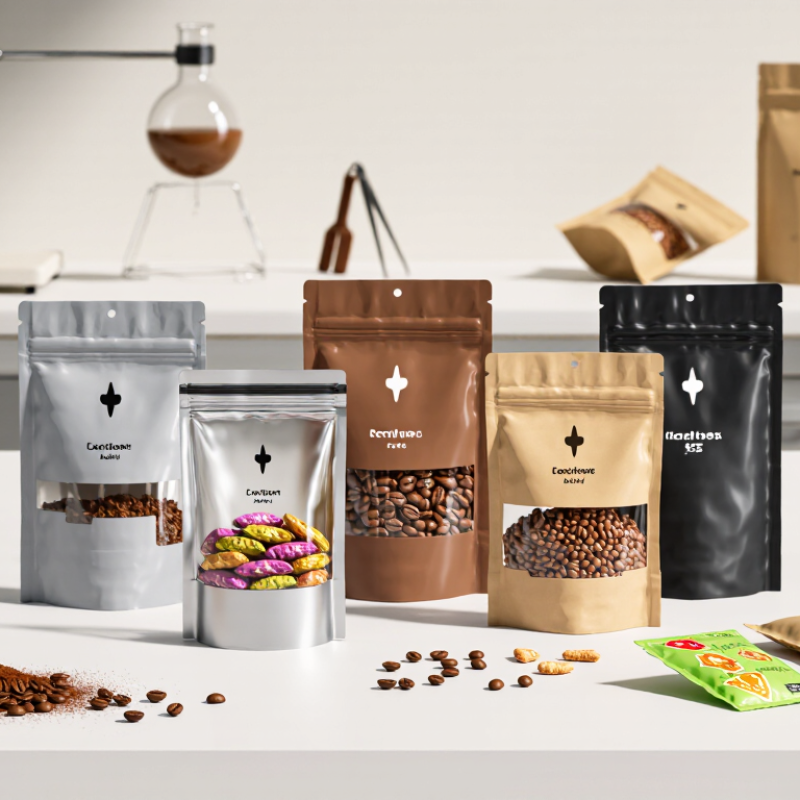
How to Choose Custom Stand Up Pouch Bags?

Define Your Product, Packaging Goals, and Stand-Up Pouch Requirements

How to Choose Custom Stand Up Pouch Bags?

Define the product before choosing a pouch. Is it powder, liquid, oily, sharp, or moisture-sensitive? A dry snack may need oxygen and moisture protection. A sauce may require stronger seals and a wider opening. Smithers’ 2024 flexible packaging report values the global market at more than 290 billion dollars, showing how widely these formats are used. However, market growth does not make every pouch suitable for every product.

Set clear packaging goals. Decide whether you need longer shelf life, easy pouring, resealability, low shipping weight, or stronger shelf appeal. A zipper helps repeated use, while a spout improves controlled pouring.

Choose pouch dimensions from the filled product, not an empty sample. Leave headspace for sealing. Check how the pouch behaves on filling equipment and during transport.

Small design mistakes can create leaks, wrinkles, or unstable displays.

Then define technical requirements. Select film structures according to light, oxygen, moisture, aroma, and puncture risks. Request seal-strength, leak, drop, and migration testing from the converter.

The Flexible Packaging Association reports that flexible packaging represents a major U.S. packaging segment, but recyclability and material recovery remain practical challenges. A recyclable structure may need different barrier performance. It may also cost more. That trade-off deserves honest testing.

A prototype can look excellent and still fail after warm storage or rough delivery. Recheck it.
Select the Right Pouch Material and Barrier Properties

Choosing a stand up pouch begins with the product’s sensitivity, not its appearance. Oxygen, moisture, light, and aroma can shorten shelf life quickly. The 2023 Flexible Packaging Association industry report placed U.S. flexible packaging sales near 40 billion dollars, showing the scale of this format. Yet market size does not guarantee protection.

For dry snacks, a polyethylene inner sealant may provide enough moisture resistance. Products containing oils often need stronger oxygen protection.

A metallized polyester layer can deliver an oxygen transmission rate below 1 cc/m²/day under controlled conditions. Aluminum foil may reach below 0.1 cc/m²/day, but it can crease and complicate recycling.

These figures vary with temperature, humidity, and test method. They are not automatic promises.

Smithers’ flexible packaging research continues to emphasize barrier performance, downgauging, and material efficiency. Ask suppliers for oxygen transmission rate and water vapor transmission rate data. Request results under conditions close to your distribution environment. A pouch stored in a humid warehouse needs different protection from one kept in a dry room.

I have seen specifications copied from another product without checking filling temperature. That mistake is common. Sometimes, the “best” barrier is excessive. It adds cost and material without improving real shelf life.

Seal strength, puncture resistance, and zipper performance also deserve testing. A beautiful pouch can still fail at the seal.

Choose the Best Pouch Size, Shape, Closure, and Features

How to Choose Custom Stand Up Pouch Bags?

Size should match the product, not only the shelf space. A 100-gram snack needs less headspace than a 500-gram powder. Measure product volume, settling, and filling equipment before approving artwork. A wider bottom gusset improves stability, while a narrow pouch saves space. The best shape depends on handling, display, and shipping efficiency. The Flexible Packaging Association reported that U.S. flexible packaging sales reached about $39.5 billion in 2022, representing roughly 21% of the packaging market. That scale reflects strong demand, but not every pouch suits every product.

Tips: Test three pouch sizes with real filling and stacking conditions. Leave enough space above the product for reliable sealing. A zipper supports repeated use, while a tear notch helps quick opening. For liquids or oily products, choose a closure and film structure tested for leakage. Spouts can improve pouring, but they may increase material use and cost.

Material matters more than appearance. Select barrier layers based on oxygen, moisture, light, and aroma sensitivity. A matte finish feels premium, yet it can show fingerprints during packing. Recyclable structures are promising, but local collection systems may not accept them. That detail is easy to overlook. Ask the converter for seal-strength, drop, and shelf-life test results. I would not approve a pouch from appearance alone; real product trials often reveal weak seals, unstable bases, or an inconvenient opening experience.

How to Choose Custom Stand Up Pouch Bags?

Choose the pouch size according to the product’s fill weight. The following guide shows practical starting points for common dry goods; actual capacity varies with product density, shape, and filling method.

Tip: After selecting the size, confirm the pouch shape, zipper or spout closure, material barrier, tear notch, window, and finish with a packaging supplier.

Evaluate Printing Options, Customization, and Brand Presentation

How to Choose Custom Stand Up Pouch Bags?

Evaluate Printing Options, Customization, and Brand Presentation

Choosing a custom stand up pouch begins with its printing process. Digital printing suits short runs, seasonal designs, and frequent artwork changes. Flexographic printing can reduce costs for larger quantities. Ask the supplier about color consistency, ink adhesion, and proofing methods before approving production.

Physical samples reveal details that digital previews often hide. Check whether small text remains sharp, especially near seals and gussets. Matte films create a softer appearance, while glossy surfaces produce stronger shelf reflections. Transparent windows can show the product, but they may weaken visual impact if poorly positioned. Small details matter.

Customization should support practical use, not only appearance. A reliable pouch may need a zipper, tear notch, rounded corners, or a reinforced bottom gusset. Match the material structure with the product’s moisture, oxygen, and light sensitivity. Request documented barrier data when product freshness matters. Ask for physical proofs.

Brand presentation depends on hierarchy. The product name should be readable from a short distance. Supporting information must not compete with it. Use a limited color palette and consistent typography across sizes. I have seen attractive artwork lose clarity after resizing, so test the smallest pouch carefully. A perfect mockup can still fail during filling, stacking, or shipping. Recheck the design after these practical trials.

Compare Suppliers, Costs, Quality Standards, and Production Timelines

Choosing custom stand up pouch bags requires more than comparing unit prices. Ask suppliers for a line-item quote covering film structure, printing plates, zippers, freight, and tooling. In practical sourcing, the cheapest offer often excludes setup fees or minimum-order costs. A 2024 Flexible Packaging Association report valued U.S. flexible packaging sales at about $39.5 billion in 2023. That scale shows strong competition, but not equal capability. Request samples using matching materials. Inspect seal alignment, zipper movement, gusset shape, and print registration under bright light.

Cost should be measured per usable pouch, not per thousand quoted units. Compare waste allowances, payment terms, replacement policies, and shipping conditions. Ask for test data, including tensile strength under ASTM D882 and seal strength under ASTM F88. For food-contact applications, require documented compliance for the intended market. ISO 9001 certification can support process control, but it does not guarantee excellent bags. That distinction matters. A 2023 PMMI packaging report identified labor, materials, and supply-chain uncertainty as continuing packaging pressures.

Production timing needs a milestone schedule: artwork approval, cylinder preparation, material purchasing, printing, lamination, curing, conversion, inspection, and dispatch. Ask how many days each stage requires. A realistic lead time is more useful than a confident promise. Build extra days for curing and transit. I would request a pre-production sample, although it may add cost. Skipping it can create a costly surprise. Some suppliers provide impressive samples but weak inspection records. Review batch reports, defect limits, and final-packing photographs. Trust grows from evidence, not polished emails.